
Afghanistan Encounters with Music and Friends
By Hiromi Lorraine Sakata
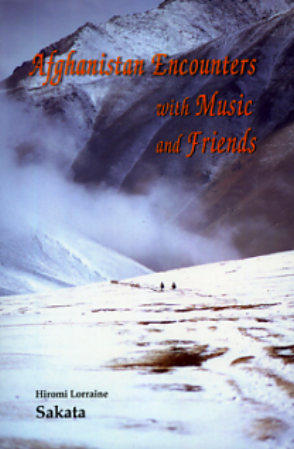
This book is a personal account of the author’s fieldwork in Afghanistan, spanning from 1966 to 2010. Although the research is focuses on music, the book also covers her lived experience while doing her fieldwork and the relationships formed along the way. The author’s journeys emphasize connections with Afghan guides and friends who share their understandings of identity, time, place, values, and music. This book is a gives great insight into Afghan culture as expressed by Afghans themselves. The book offers a human-centered perspective on Afghanistan that is often missing from dominant narratives shaped by war and conflict.
War, Exile and the Music of Afghanistan
By John Baily
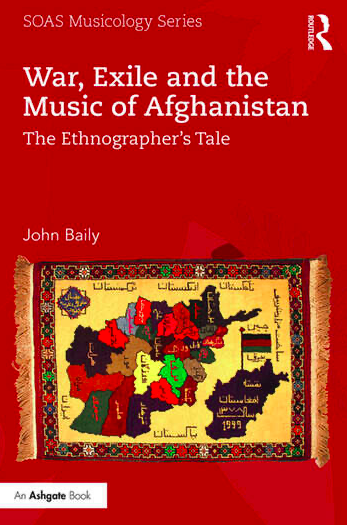
This book documents ethnomusicologist John Baily’s long-term research on Afghan music, extending over the 35 years following the 1978 coup. As conflict and war forced many Afghan musicians into exile, Baily followed their lives and musical practices across Afghanistan, Pakistan, the United States, Australia, and Europe. From tracing major political events like the Soviet invasion to the Taliban era and the aftermath of the 2001 U.S.-led invasion, Baily examines how these events shaped the personal and professional lives of Afghan musicians.
Playing for Freedom: The Journey of a Young Afghan Girl
By Zarifa Adiba
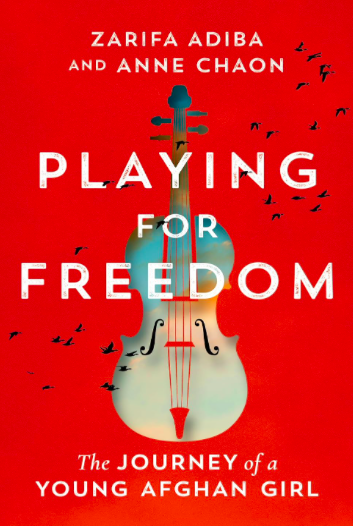
This powerful memoir about a young Afghan girl who pursues her love of music while growing up amid war, poverty, and Taliban restrictions in Kabul. Despite constant danger and cultural opposition, she earns a place at the Afghanistan National Institute of Music and becomes a leading figure in Zohra, the first all-female orchestra in the Muslim world. As her international success grows, Zarifa faces painful choices between family expectations, forced marriage, and her desire for independence. The book is a moving testament to resilience, courage, and the transformative power of music.
Radio Free Afghanistan
By Saad Mohseni
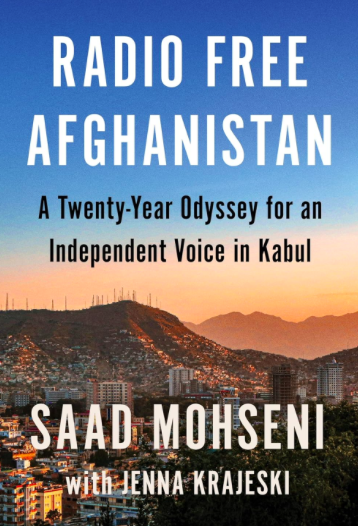
Detailed by the author’s two-decade effort to build a free and independent press in Afghanistan after the fall of the Taliban. Saad Mohseni returns to Kabul after years abroad, and built what becomes Moby Group, transforming Arman FM into the country’s largest media network. Through news, entertainment, and shows like Afghan Star, which he refers to as a “protest”, the network becomes a vital lifeline for millions of Afghans while navigating pressure from governments, war, and extremism. The book offers a firsthand account of journalism under fire and the resilience of Afghans even after the Taliban’s return to power in 2021.
Mirrors & Song
By Shahbaz Ehsani
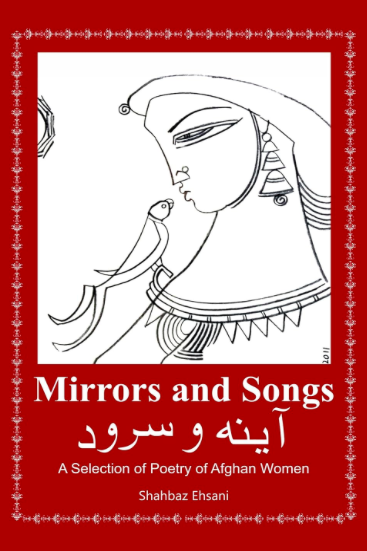
This powerful collection of poetry from women captures the inner worlds of Afghan women shaped by decades of conflict, loss, and resilience. Through poetry, the book gives voice to emotions often left unheard—grief, endurance, hope, and quiet strength. These deeply personal sentiments are rendered with care and sensitivity by the author, whose translations preserve the soul of the original works. The result is a moving reflection of women’s lived experiences in war, conveyed with empathy and lyrical clarity.